
Winter Pest Control Dubai: Keep Your Home Protected


There's something beautifully ironic about Dubai's winter. While friends and family back home are scraping ice off car windscreens and bundling up in layers, you're enjoying morning coffee on your terrace in perfect 20°C sunshine. You've opened windows throughout your home for the first time in months, letting that gorgeous fresh air replace the stale AC chill. Your garden is finally usable again. Outdoor dining is back.
This is what you moved to Dubai for.
Here's what catches many residents by surprise: this perfect weather that brings humans outside also drives various pests inside. The same 15°C nighttime temperatures that make winter evenings so pleasant are cold enough to motivate rodents, cockroaches, and other pests to seek the warmth and comfort of your home.
Winter in Dubai isn't about keeping pests away from your home - it's about keeping them from establishing themselves inside it.
Understanding winter's specific pest challenges and taking targeted action during these months means you can enjoy Dubai's best season without sharing your home with unwanted residents. Let's break down exactly what you should prioritize through December, January, and February to keep your indoor spaces pest-free.
Priority one: Rodent exclusion and elimination
If you're going to prioritize one pest concern during Dubai's winter, make it rodents. Nothing else you'll encounter during these months causes the combination of property damage, health risks, and general distress that rodent infestations create.
December marks the beginning of serious rodent pressure as nighttime temperatures consistently drop into the mid-teens. Mice and rats that were perfectly comfortable outdoors during warmer months now seek indoor shelter.
By January, rodent activity peaks.
Critical winter rodent actions:
The critical action for winter rodent control is comprehensive entry point sealing combined with interior monitoring and treatment. Walk your property's entire exterior, examining every possible access point.
Where to check:
- AC unit penetrations through walls (almost always have gaps)
- Under outdoor AC units where pipes enter buildings
- Gaps around plumbing pipes and electrical conduits
- Utility connections and service lines
- Garage door seals and floor gaps
- Any daylight visible under closed doors
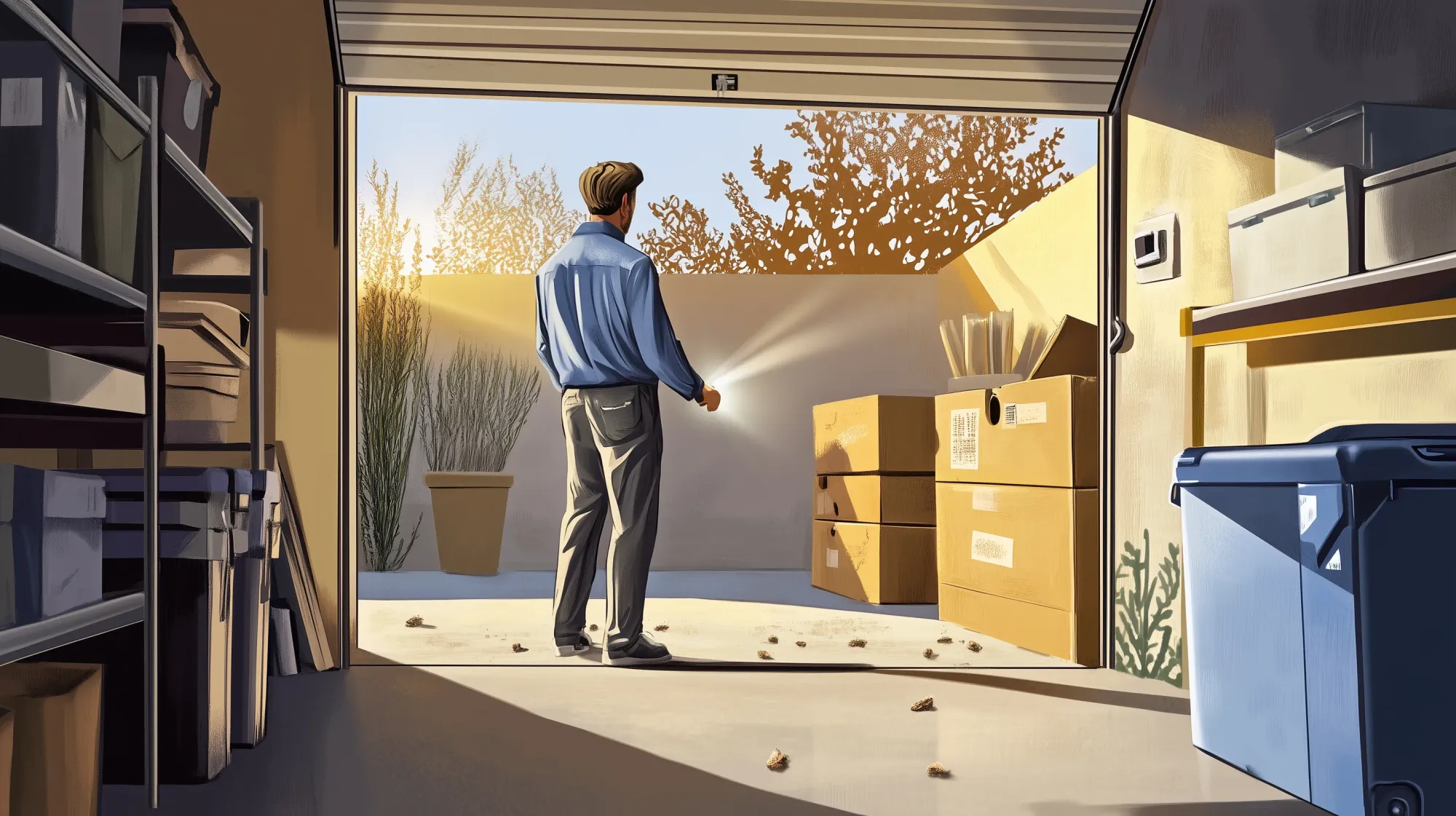
Close your garage door and examine it from inside with lights off - any daylight visible under the door or along the sides indicates gaps large enough for mice. Rats need slightly larger spaces but will gnaw at small gaps to enlarge them if they're motivated.
Inside your home, focus inspection on:
- Under sinks in kitchens and bathrooms
- Backs of cabinets where pipes enter walls
- Behind appliances (especially refrigerators and dishwashers)
- Storage areas rarely accessed
- Any evidence of droppings or gnaw marks
Any evidence of rodents - droppings, gnaw marks, sounds in walls, actual sightings - warrants immediate professional treatment. Don't wait to see how bad it gets or try DIY approaches hoping they'll work.
Every day of delay allows more breeding and more damage.
Professional rodent control during winter includes comprehensive interior baiting and trapping, entry point sealing with rodent-resistant materials, and follow-up monitoring to ensure elimination. The cost of winter rodent treatment, typically AED 500-1,500 depending on property size and infestation severity, is minor compared to the alternative of established breeding populations causing ongoing damage and health risks.

Priority two: Indoor cockroach populations
Cockroaches that began moving indoors during autumn are now fully established residents by winter. They're not exploring your home tentatively - they're living there, breeding in your kitchen and bathroom areas, and thriving in the warm, humid conditions your occupied home provides.
Winter cockroach control focuses on interior treatment of established populations.
The two main species:
- German cockroaches (smaller, light-brown) particularly favor kitchens and areas with food access
- American cockroaches (larger, darker) often access homes through drains and plumbing
The challenge with winter cockroach management is that populations are already established rather than just beginning to appear. Female German cockroaches produce egg cases containing 30-40 eggs every few weeks. In the consistently warm environment of your winter home, those eggs develop quickly.
What seems like a few cockroaches is actually a much larger population that's simply better at hiding.
Treatment requires comprehensive interior focus:
- Inside and behind cabinets
- Under and behind appliances
- Around plumbing penetrations
- In cracks or crevices where cockroaches hide
- Around drains and plumbing fixtures
- Any areas with moisture access
Prevention alongside treatment:
- Store all food (including pet food) in sealed containers
- Don't leave dishes with food residue sitting overnight
- Clean up spills and crumbs promptly
- Fix plumbing leaks immediately
- Take rubbish out regularly
If you're seeing cockroaches during daytime hours, that indicates a significant population requiring immediate professional treatment. Cockroaches are nocturnal and avoid light when possible. Daytime sightings mean population pressure is forcing some into the open even during unfavorable conditions.
This always warrants professional intervention rather than DIY attempts.
Professional winter cockroach treatment costs AED 400-800 for comprehensive villa treatment, depending on severity, or AED 300-600 for apartments. This includes initial treatment of all affected areas and typically a follow-up visit to ensure effectiveness.
Priority three: Entry point reinforcement before spring
Winter's moderate weather provides the last comfortable opportunity for outdoor work before temperatures climb toward summer levels. Use December and January for a comprehensive entry point inspection and sealing that protects your home through the coming year.
This isn't just about rodents, though they're the primary concern.
Proper entry point sealing prevents ants, cockroaches, and various other pests from accessing your home as seasons change. The gaps you seal in January prevent springtime ant invasions and summer's desperate pest pressure when everything seeks your cool indoor environment.
What professional sealing includes:
- Rodent-resistant materials correctly installed
- Metal flashing and steel wool combined with sealant
- Concrete patching for larger gaps
- Proper weather stripping replacement
- Screen repair or replacement
- Comprehensive assessment by trained technicians
Simple foam or caulk that you might use yourself gets chewed through by determined rodents. Professional pest control during winter should include entry point assessment and sealing as part of comprehensive treatment.
The investment in proper entry point sealing, typically AED 300-500 added to standard pest control treatment, provides year-round protection. It's preventative spending that eliminates future pest access rather than repeatedly treating pests that keep getting inside through unsealed gaps.
Winter travel considerations: Protection while you're away
December and January bring holiday travel for many Dubai residents. School breaks, New Year trips, and general winter travel mean homes sit empty for days or weeks.
These extended absences require specific pest control considerations.
Pre-travel pest control treatment ensures your home is protected while vacant. Empty homes can actually be more attractive to pests in some ways - no human activity means pests can move freely without disturbance.
Pre-departure home preparation:
- Thorough cleaning, especially kitchens
- Remove all perishable food or store it properly
- Take rubbish out completely
- Ensure no food sources are accessible
- Fix any plumbing leaks
- Check windows and doors are properly sealed
Post-travel inspection when you return helps catch any pest issues that developed while you were away. Walk through your home looking for signs of pest activity before fully unpacking and settling back in.
What to check:
- Under sinks and in cabinets
- Along baseboards
- For droppings or gnaw marks
- Any evidence that pests exploited your absence
Travel also brings bed bug risks, particularly during major holiday periods when hotel occupancy is highest. Bed bugs aren't really a winter-specific pest, but winter's heavy travel season increases exposure. Maintain vigilant hotel inspection, keep luggage away from beds and upholstered furniture, and follow post-travel protocols.

Managing open doors and windows during pleasant weather
One of winter's great pleasures in Dubai is being able to open windows and doors, letting fresh air circulate after months of sealed, air-conditioned existence. This is wonderful for your home's air quality and your mental health.
It's also an opportunity for pests to access your home if you're not mindful about how long openings remain accessible.
Fly screens on windows and doors are essential during winter when you want windows open constantly. Properly installed screens allow fresh air while preventing flying insects, mosquitoes, and other pests from entering. If you don't currently have screens, winter is the time to install them before you desperately need them during spring and summer when flying insects increase.
Practical solutions:
- Bring everything you need outside in one trip
- Close doors between trips if going in and out repeatedly
- Consider installing screen doors for airflow
- Use door sweeps or weather stripping
- Be mindful of extended door openings
This isn't about paranoia - you can enjoy outdoor living without obsessing over every door opening. It's about being mindful. If you're doing multiple trips in and out, carrying food or supplies, that door might stay open for extended periods. A determined mouse can dart inside in seconds. Ants follow each other in trails once scouts discover access.
The reality is that pests will occasionally get inside, even with good precautions - that's why regular inspection and monitoring matter.
Winter-specific maintenance between professional treatments
If you're following a quarterly professional pest control schedule, winter typically includes January or February treatment. Between professional visits, homeowner maintenance keeps pest pressure controlled.
Weekly kitchen inspection and cleaning focuses on areas where cockroaches and ants typically appear. Clean under appliances, inside cabinets where food is stored, and around sinks. Check for any signs of pest activity, including droppings or live insects.
Storage area monitoring matters because these spaces often harbor pests undetected. Monthly inspection of rarely accessed storage, garages, and utility areas catches pest activity early.
What to look for:
- Droppings or gnaw marks
- Nests or nesting materials
- Any evidence that pests are using these spaces
- Items stored in cardboard boxes (switch to sealed containers)
Moisture control throughout your home reduces pest attraction:
- Fix any plumbing leaks immediately
- Don't let water sit in sinks or bathtubs
- Address condensation issues
- Clean drains regularly
- Most indoor pests need water regularly
Food storage discipline eliminates primary pest attractants:
- Everything, including pet food, in sealed containers
- Don't leave food on counters overnight
- Clean up spills and crumbs promptly
- Store fresh produce appropriately
- Take rubbish out regularly
A regular inspection routine means knowing what to check and doing it consistently. Weekly visual inspections of kitchens, bathrooms, and living areas. Monthly thorough checks of storage and utility spaces.
Immediate attention to any signs rather than hoping they're one-offs.

When winter pest problems require immediate attention
Certain pest situations during winter require calling professionals immediately rather than waiting for your next scheduled treatment. Recognizing these situations prevents minor issues from becoming major infestations.
Any rodent evidence warrants immediate action regardless of when your last treatment occurred. Droppings, gnaw marks, sounds in walls, or seeing actual rodents mean an established presence requiring professional intervention. Don't wait to see if more evidence appears or try DIY solutions first.
Call immediately.
Daytime cockroach sightings indicate population levels requiring urgent treatment. Cockroaches showing themselves during daytime when they'd normally hide means competition for space is forcing them into unfavorable exposure. This always signals significant populations.
Large numbers of ants indoors, especially in winter when they shouldn't be as active, suggest established colonies requiring professional treatment rather than just surface treatment of visible ants. A few occasional ants are manageable - trails of hundreds indicate serious problems.
Any pest activity after recent professional treatment should be reported immediately. Good pest control eliminates activity for substantial periods. If you're seeing renewed pest activity shortly after treatment, either the problem was more extensive than initially addressed or treatment wasn't fully effective.
Either way, a follow-up is needed.
Multiple pest types appearing simultaneously might indicate your home has conditions favoring general pest activity, requiring a comprehensive assessment. If you're dealing with rodents AND cockroaches AND ants all at once, that's worth professional evaluation of what's making your property so attractive.
Don't delay seeking professional help, thinking you're being overcautious. Pest control companies expect and welcome calls between scheduled services when issues appear.
That's how pest management works.
Making winter your pest-free season
Dubai's winter should be enjoyed, not spent worrying about or battling indoor pest problems. The combination of understanding why pests move indoors during these months, taking targeted preventative action, maintaining vigilant monitoring, and seeking professional help when needed keeps your home comfortable and pest-free through the city's best weather.
The pleasant temperatures that make winter so delightful also create the perfect conditions for comprehensive indoor pest management.
Use this season to:
- Get entry points properly sealed while outdoor work is comfortable
- Treat indoor populations before they breed extensively
- Establish habits and routines that prevent pest problems
- Create protection that lasts through the coming year
Your home deserves to be your sanctuary during winter's perfect weather, not a space you're sharing with unwanted pests. The scratching sounds, droppings in cabinets, cockroaches in kitchens - none of these should be part of your winter experience.
Check Trusty connects Dubai residents with Dubai Municipality-certified pest control experts who understand winter's specific pest challenges and can provide comprehensive indoor treatment. Whether you need rodent elimination, cockroach population control, entry point sealing, or complete winter pest protection programs, verified experts know what works in Dubai's unique environment.
Don't let pests steal the enjoyment of Dubai's best season. Connect with Check Trusty's verified pest control professionals who can assess your home's winter pest risks, eliminate current problems, and establish protection to keep your indoor spaces pest-free.
Your winter should be about perfect weather and outdoor living, not discovering pest problems in your home.
For comprehensive information about pest challenges throughout Dubai's seasonal changes, check out our complete guide to seasonal pest problems in Dubai.